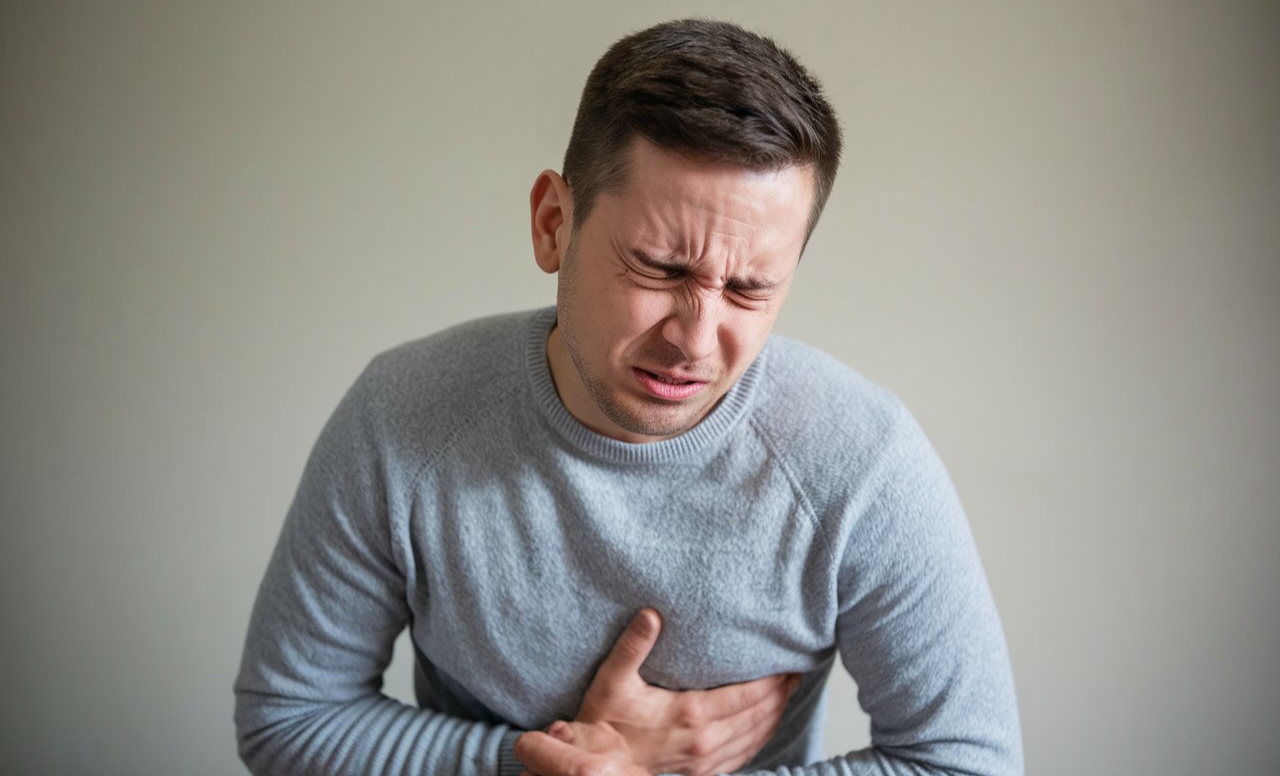
A bloated stomach can be uncomfortable and frustrating. It’s that heavy, full feeling that can make even simple tasks seem tough. Most of us have experienced it, but do you know what causes it?
From overeating to certain foods, there are many culprits behind this common issue. The good news is, relief is possible with just a few simple changes.
In this blog, we’ll dive into practical tips to help ease a bloated stomach. Whether it’s choosing the right foods or adopting better habits, you’ll find solutions that work.
Let’s get started on feeling light and comfortable again.
What Is a Bloated Stomach?
A bloated stomach feels like your belly is stretched and full. It can make you uncomfortable and even affect your mood.
This happens when your digestive system is struggling. Gas, trapped air, or overeating are often the reasons behind it. You might feel tightness, heaviness, or even mild pain.
It’s not always serious, and don’t worry it is also very common. Knowing what causes it and how to manage it can make a big difference.
What Causes a Bloated Stomach?
A bloated stomach is more than just a feeling of fullness. It’s often a sign of something going wrong in your digestive system. Let’s explore the common causes behind this discomfort and how to tackle them.
1. Overeating
Eating large portions can overwhelm your stomach. When your body struggles to digest a big meal, it can lead to a bloated stomach. Eating slowly and in smaller portions can help prevent this issue.
2. Gas Build Up
Gas is one of the most common reasons for bloating. Consuming carbonated drinks, beans, or even chewing gum can trap air in your stomach, causing discomfort. Paying attention to gas-producing foods might help.
3. Slow Digestion
Poor digestion is another major culprit. Low fiber intake, dehydration, or a lack of movement can slow down your digestive system, leaving you with that heavy, bloated feeling. Drinking water and staying active can support digestion.
4. Food Intolerance
If you’re sensitive to certain foods like lactose or gluten, they can trigger bloating after meals. Identifying and avoiding these foods can make a huge difference. Addressing these causes is the first step toward relieving a bloated stomach and feeling better.
How to Relieve From A Bloated Stomach?
Dealing with bloating can be frustrating, but the good news is that relief is possible. Here are five simple and effective ways to feel better fast.
Sip Warm Water
Drinking warm water helps relax your digestive system. It can reduce gas and ease that tight feeling in your stomach. Add a slice of lemon for extra soothing effects.
Move Around
A short walk can do wonders for bloating. Gentle movement helps your body release trapped gas and boosts digestion. Even light stretching can bring relief.
Try Peppermint Tea
Peppermint tea is known for its calming properties. It relaxes your stomach muscles and helps gas pass more easily. A warm cup can make you feel lighter in no time.
Avoid Foods That Trigger Gas
Stay away from carbonated drinks, beans, and heavy fried foods when bloated. These foods can worsen the problem and make you feel even more uncomfortable.
Use Heat Pack
A warm heat pack on your stomach can provide instant comfort. It relaxes the muscles in your abdomen, helping reduce the bloated feeling.These methods can help you feel better quickly and prevent bloating from lingering.
Physical Activities to Keep Bloating Awa
Bloating doesn’t stand a chance when you move your body. No need for hours at the gym. Instead simple physical activities can work wonders to keep bloating at bay.
• Take A Walk
Sometimes, the best solution is as simple as walking. A light stroll around the block helps get things moving in your digestive system. Plus, it’s a great excuse to step away from your desk and get some fresh air.
Stretch It Out
Stretching isn’t just for yogis. A few simple stretches can help ease bloating by promoting better digestion and relieving trapped gas. Try reaching for your toes or gently twisting your torso.
Try Yoga
Yoga poses like “child’s pose” or “cat-cow” are perfect for calming a bloated stomach. They help your body release gas and improve digestion. Plus, you might even feel like a zen master by the end of it.
Dance Like Nobody’s Watching
Turn up your favorite song and dance around. No fancy moves required—just let loose. Dancing can actually stimulate your digestive system and help you feel lighter.
What Not To Do
Don’t make the mistake of overeating. Piling on too much food can trigger a bloated stomach that’ll leave you feeling miserable. Also, steer clear of sugary drinks and carbonated sodas. They may taste good, but they only add to the bloat. In bloating you should be eating mindfully.
There’s no magical pill for bloating. It’s tempting to relax after a big meal, but don’t lie down immediately. Give your body time to digest. And whatever you do, don’t ignore the signs your body gives you when it’s bloated.
Frequently Asked Quetions
Why does my stomach bloat after eating?
Bloating after eating can happen due to overeating, food intolerances, or eating too quickly. Certain foods, like beans or carbonated drinks, can also cause excess gas. Slow down, chew thoroughly, and pay attention to foods that trigger bloating to minimize discomt.
How long does bloating last?
Bloating can last from a few minutes to several hours, depending on the cause. For temporary bloating due to food or gas, it typically resolves within a few hours. If bloating persists for days, it could be a sign of an underlying health issue.
Can exercise help with bloating?
Yes, physical activities like walking, yoga, and stretching can help relieve bloating. These activities promote digestion, ease gas buildup, and get things moving in your digestive system, reducing the bloated feeling.
Is bloating a serious condition
In most cases, bloating isn’t serious and is caused by common factors like overeating or gas buildup. However, if bloating is persistent or accompanied by other symptoms like pain or weight loss, it’s best to consult a doctor to rule out underlying issues.