
Progressive overload is a process used in all fields to improve performance. It is a completely healthy method where challenges are gradually increased. Here we will discuss about progressive overload in strength training.
You are more familiar with this word than it sounds like.
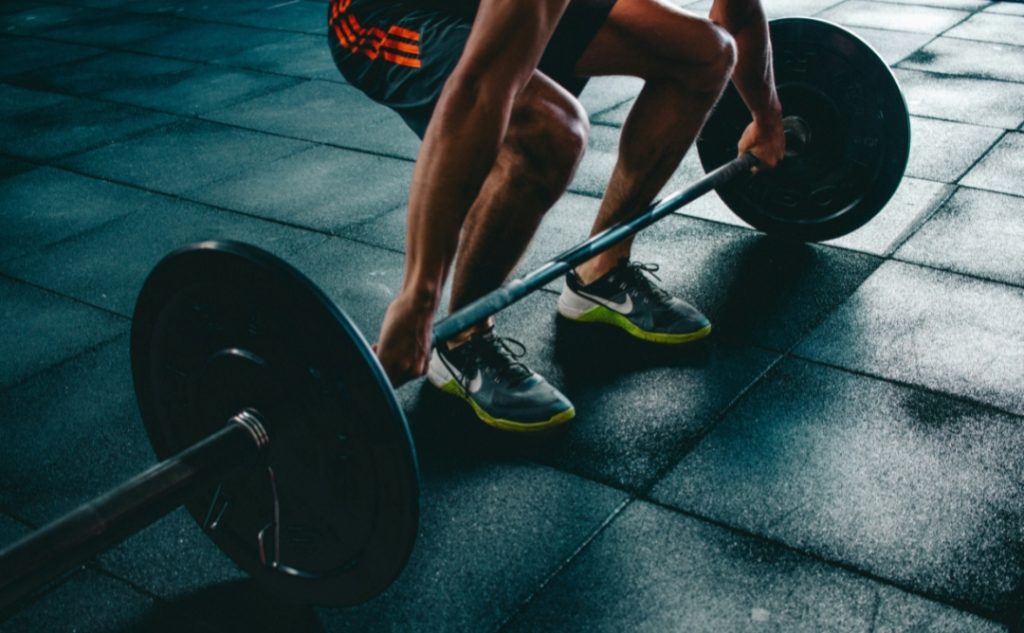
What is Progressive Overload?
The principle of progressive overload is gradually increasing external factors like resistance, intensity, repetitions and frequency. When you continuously perform increments in these factors it gives signals to your muscles to keep growing.
The concept of progressive overload also works in endurance training. Where athletes increase their intensity or workout duration in order to run according to their need.
However progressive overload can invite injuries if not done well. Misunderstanding the process is subjected to risk of injury.
How does Progressive Overload Benefits Workout?
By doing the same workout continuously you feel more comfortable to it. Where you never struggle in lifting those weights which seem to be challenging for you. And that’s why you found yourself in a place which is called Plateau in fitness.
Plateau simply means being stuck at the same place. Plateau is also a sign of progress you have made, but for making more gains you have to push something more forward.
After progressively overloading in your workout sessions you feel soreness in muscles and fatigue. Because your muscles are now being challenged and progressive overload is building more muscles.
And this is why everyone should progressive overload for more gains. This method is not for any specific time period but for a longer run until you are engaged in fitness.
Progressive Overload also ensures that you are not going too fast in your journey.
How to Do Progressive Overload?
For this query, there are many ways to do progressive overload. For doing so you have to do a bit of improvement in the factors like intensity, resistance, repetitions and session time.
It is always recommended that performing less than 10% increment every week is best.
We are going to discuss these all one by one –
Increasing Weight/Resistance
It is the most common way for making progress in the gym. Even a beginner who didn’t know about progressive overload knows this one. For this, you stay at your previous no. of reps. Just weight has slightly increased.
For example,
• Week 1 – Perform bicep curls with 10 kgs of weight in 10 – 12 rep range.
• Week 2 – Perform bicep curls with 12 kgs of weight in 10 – 12 rep range.
• Week 3 – Perform with 15 kgs of weight in 10 – 12 rep range.
This way you will perform better instead of doing the same repetitions.
Increasing weight gradually is a must. If done wrong you will end up injuring yourself. Hence, it should be performed under a trainer or a coach.
Increasing Repetitions
Performing more repetitions is also a great way of progressing. The same principle also applies here.
For example,
• Week 1 – Perform Bench press with 10 kg dumbbells in 8 – 10 rep range.
• Week 2 – Perform Bench press with 10 kg dumbbells in 10 – 12 rep range.
• Week 3 – Perform B.P with same weight in 12 – 15 rep range.
If you are having difficulty in doing any exercise while keeping a straight form, that means you have to slow down.
Increase Intensity
It also means increasing your tempo. Refers to, doing your workout at a faster pace. It can also be done by reducing rest time between sets.
For example, you take 3 min rest between each set. In the next session, you will take 2 or 2 hand half min rest between sets.
For alternative, you can increase the pace of your repetitions. The exercise which takes minutes for its completion will now take only 2 min or more.
Increase Workout Frequency
Choosing a workout split that divides your whole week that you hit every muscle twice or thrice is beneficial. Go with such a type of splits.
For example, Push – Pull – Leg gives you an opportunity to hit all muscles twice a week. Or you can go with Upper Body – Lower Body structure.
Conclusion
Progressive Overload is gradually increasing weight, repetition, intensity and duration in workouts. It is very important and necessary in order to make gains in the gym. It is sometimes prone to injury. Should be done under a coach or specialist. There are many ways to do likewise, increasing weight, repetitions, intensity or time. Perform proper warmup to avoid injuries.
Enjoy…
1 thought on “What is Progressive Overload? Do It In A Correct Way”